
South Carolina Arrest History
A South Carolina arrest can produce several records at once. The arresting sheriff, city police department, Highway Patrol, SLED unit, or campus police agency creates an arrest or incident report. A county detention center creates the booking entry, intake data, charge list, bond fields, custody events, and any photograph released under law. The court then creates a separate case record if a charge is filed.
SLED maintains the statewide computerized criminal history layer. Its public CATCH product searches fingerprint-supported South Carolina arrest cycles and reported outcomes. It is not a live jail roster. It also excludes wanted-person information, registry status, federal records, and records from other states. A complete arrest lookup may therefore require several official sources. Each source answers a different question about the arrest, court result, or present custody.
Who Holds South Carolina Arrest Reports
Start with the agency that made the arrest. County sheriffs have countywide law-enforcement duties, execute warrants, and often operate detention centers. Municipal police hold reports for incidents inside their jurisdictions. The South Carolina Highway Patrol holds its enforcement and collision-related records. SLED keeps reports from its own statewide investigations and assists other agencies, while campus or special police hold records within their set authority.
South Carolina has no one pool of every local incident report. Request the report from its creator and give the date, place, involved name, and report number when known. Under the South Carolina Freedom of Information Act, agencies may charge reasonable production costs and withhold protected data. Active investigative details, victim and juvenile information, medical data, Social Security numbers, and enforcement methods can be redacted or exempt.
Note: A booking record documents intake and custody, while an incident report can contain facts and redactions absent from SLED CATCH.
How South Carolina Arrests Reach the Record
Fingerprinting is the hinge between a local arrest and the state history. Under S.C. Code §23-3-120, the arresting agency must fingerprint people arrested for covered offenses and send the prints and identifying information to SLED within three days. The transaction anchors an arrest cycle to identity in SLED's Automated Fingerprint Identification System and computerized history. Name, aliases, charge data, agency, and tracking identifiers can then sit in the state file.
Data flow: Arrest › Booking › Fingerprint Submission › SLED Repository Entry
The court later reports the disposition. General Sessions clerks, magistrates, and municipal judges have reporting duties, but the result must attach to the right fingerprint-supported cycle. Missing prints, changed charges, alias differences, and local errors can break the link. SLED's FY2025 accountability report found 88 percent of arrest information arrived within three days, while only 42 percent of arrests had dispositions attached. A state rap sheet can thus show an arrest without its later result.
South Carolina Arrest Fingerprint Gaps
A court charge can exist without a complete SLED cycle. Direct indictments are the clearest South Carolina example because a grand jury can indict before a routine booking supplies fingerprints. In July 2026, SLED reported that only 7 percent of direct indictments from 2025 forward had reached the computerized repository. Most missing cases lacked prints. That makes the county court index a vital cross-check even when CATCH returns no record.
SLED's official fingerprint reporting-gap notice shows how incomplete biometric submissions affect statewide arrest history.
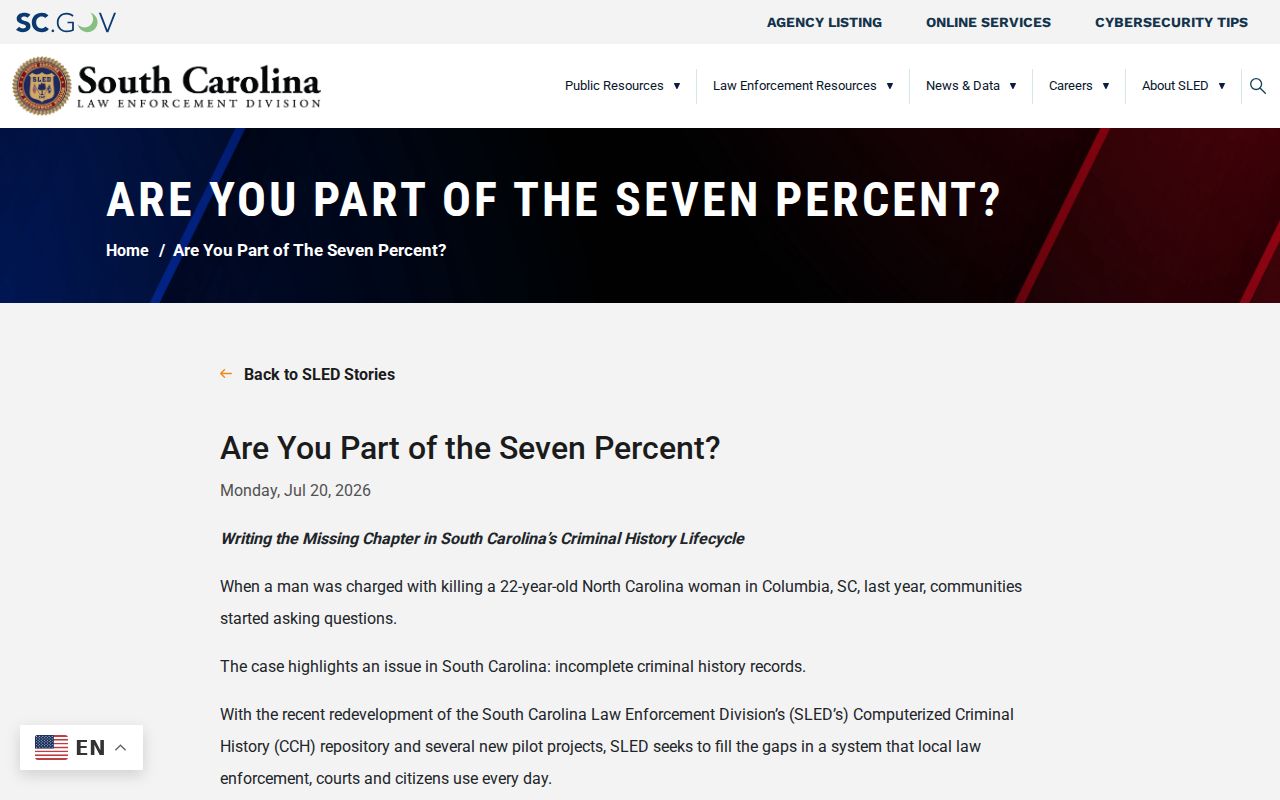
The notice also describes modernization and pilot work aimed at capturing prints for direct indictments, but it does not make current CATCH results exhaustive.
Note: Missing fingerprints can hide a prosecution from CATCH even when the county court docket already shows the filed charge.
Looking Up Arrests in South Carolina
Use a two-track search. The county track is best for a new booking, current detention, bonds, and the arresting agency's report. The statewide track uses SLED CATCH for fingerprint-supported South Carolina history. CATCH costs $25 plus the posted online service charge, uses a starts-with match on name and date of birth, and can search a supplied Social Security number. Multiple matches can require special processing.
- Identify the county where the arrest occurred and check its detention roster or booking contact first.
- Request the incident or arrest report from the sheriff, police department, Highway Patrol, SLED, or special agency that created it.
- Use the directory of all 46 South Carolina counties to reach the county records site, then search the Judicial Branch Public Index for the filed case.
- Run CATCH for the broader state layer, then compare every arrest entry with the court disposition before reaching a conclusion.
- After sentencing, use SCDC for state prison or the federal locator for federal custody.
CATCH does not search warrants. No comprehensive public statewide warrant database was located. An unresolved warrant inquiry routes to the likely county sheriff and issuing General Sessions, Magistrate, or Municipal Court. A court, not an online listing, recalls or resolves a warrant.
South Carolina Arrest Data Needs Context
SLED's SCIBRS program collects incident-based data from local agencies and publishes the annual Crime in South Carolina report. The TOPS and SCIBRS crime-data page lets readers study trends by year, jurisdiction, and category after quality review.
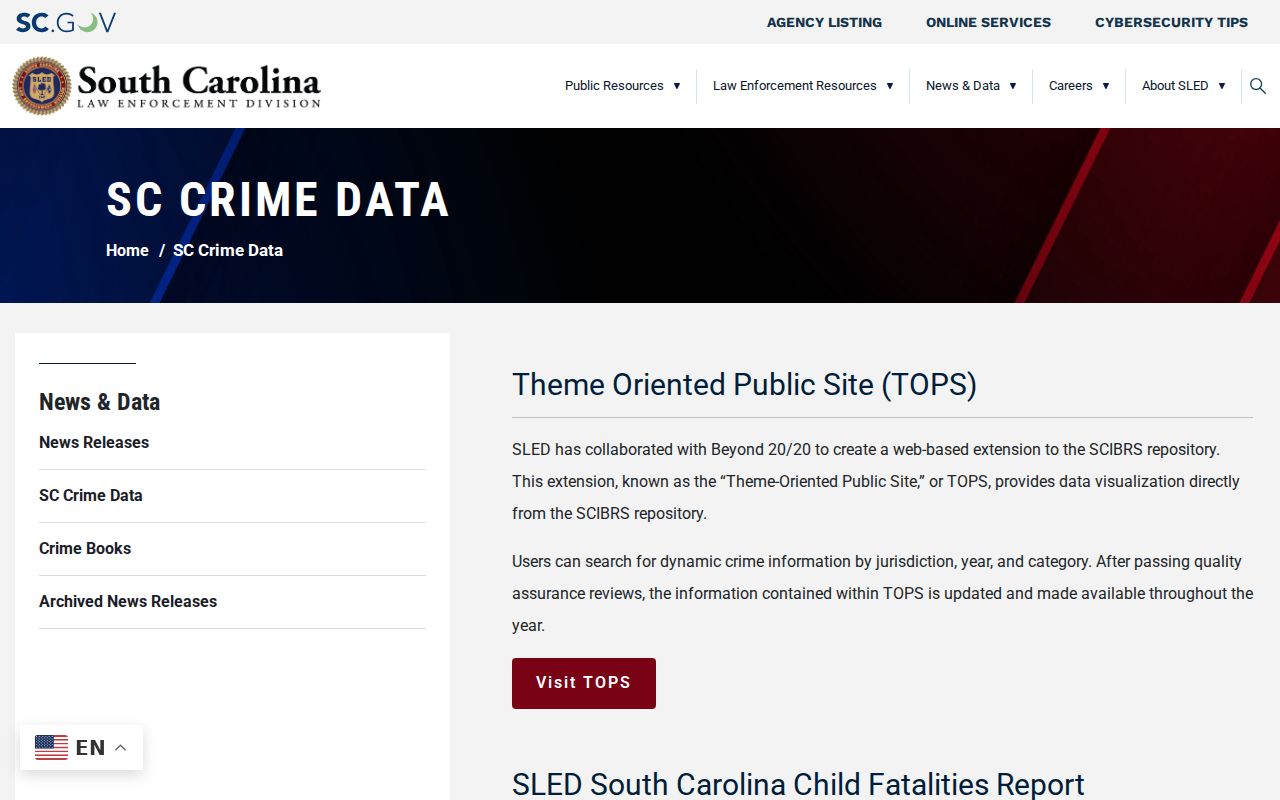
These tools display totals and trends. They do not identify a person or replace a booking record, criminal court case, or CATCH report.
The 2024 report counted 413 murders, 2,092 sexual batteries, 1,949 robberies, and 19,710 aggravated assaults, while the violent-crime rate fell 8.4 percent from 2023. Yet only 204 of 288 active agencies supplied all 12 months of data. That 71 percent participation rate is a key limit. Counts can change as agencies submit data, and a statewide trend cannot prove whether one individual was arrested.
Inside a South Carolina Arrest Record
The contents depend on the source. An agency report may include a narrative, alleged offense, location, officer, involved parties, and evidence. A booking entry focuses on intake and custody. The SLED cycle focuses on identity, fingerprint transaction, arresting agency, charge, and any reported disposition. None of those records alone supplies the full signed court judgment.
| Arrestee Name & Identifiers | Name, aliases, date of birth, descriptors, SID, or transaction identifiers where held and released. |
|---|---|
| Arrest Date & Location | When and where the custody event occurred, subject to source redactions. |
| Arresting Agency | The sheriff, police, Highway Patrol, SLED, or special agency responsible. |
| Charges at Booking | Allegations recorded at intake, which can later be amended or dismissed. |
| Booking Number & Photograph | Facility intake identifier and image where the custodian lawfully releases it. |
| Bond / Release Status | Bond type or amount and custody or release event at that point in time. |
Do not copy a photograph to a private profile or use it as proof of guilt. Verify identity, read the charge disposition, and use the originating agency or clerk for the source record.
South Carolina Custody Lookup Changes
Custody source depends on where the person is in the justice process. County detention centers hold most pretrial detainees and many people serving local terms. After a qualifying state sentence and commitment, custody can move to the South Carolina Department of Corrections. The official SCDC Inmate Search covers people currently sentenced to and incarcerated by SCDC as of midnight the prior day.
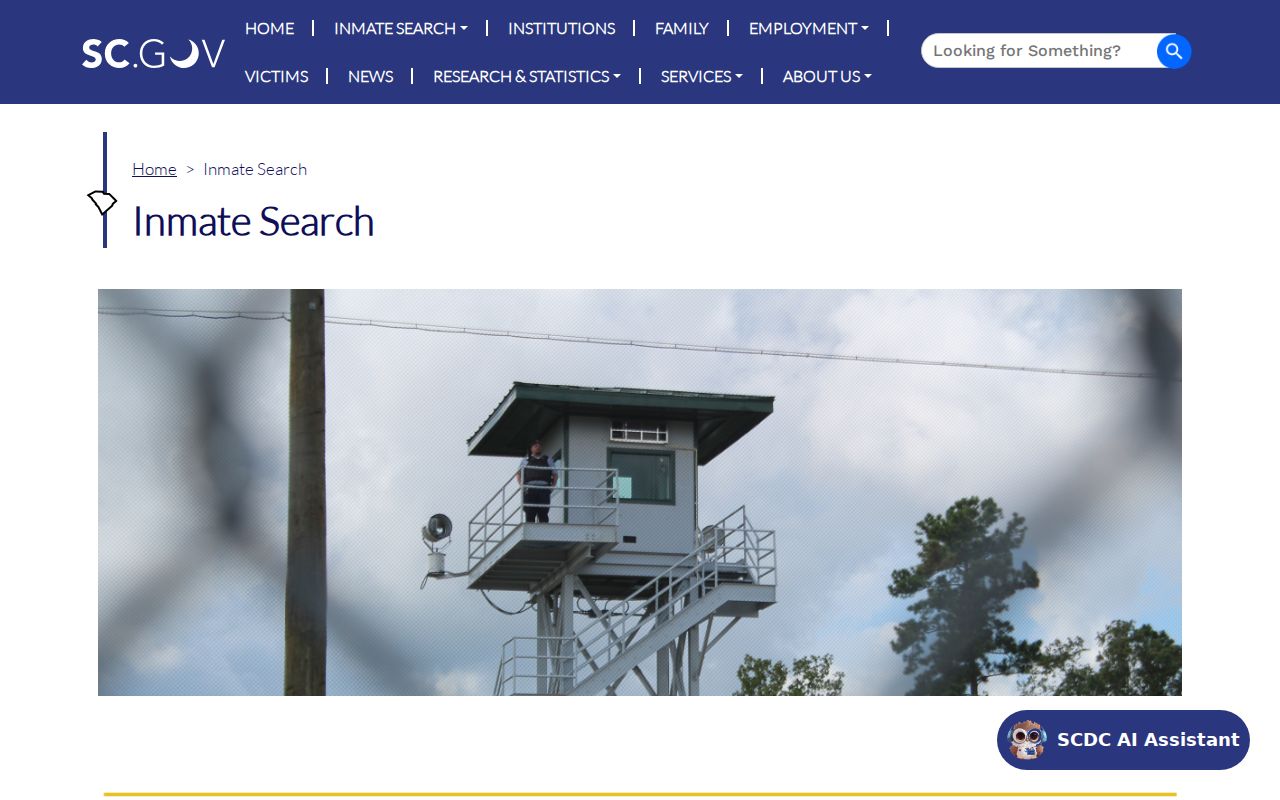
SCDC fields can include name, SCDC ID, SID, institution, offenses, sentence, sentencing county, and projected release data where available. It is not a released-person history or county jail roster.
The SCDC Victim Services page documents automated offender-status and notification channels.
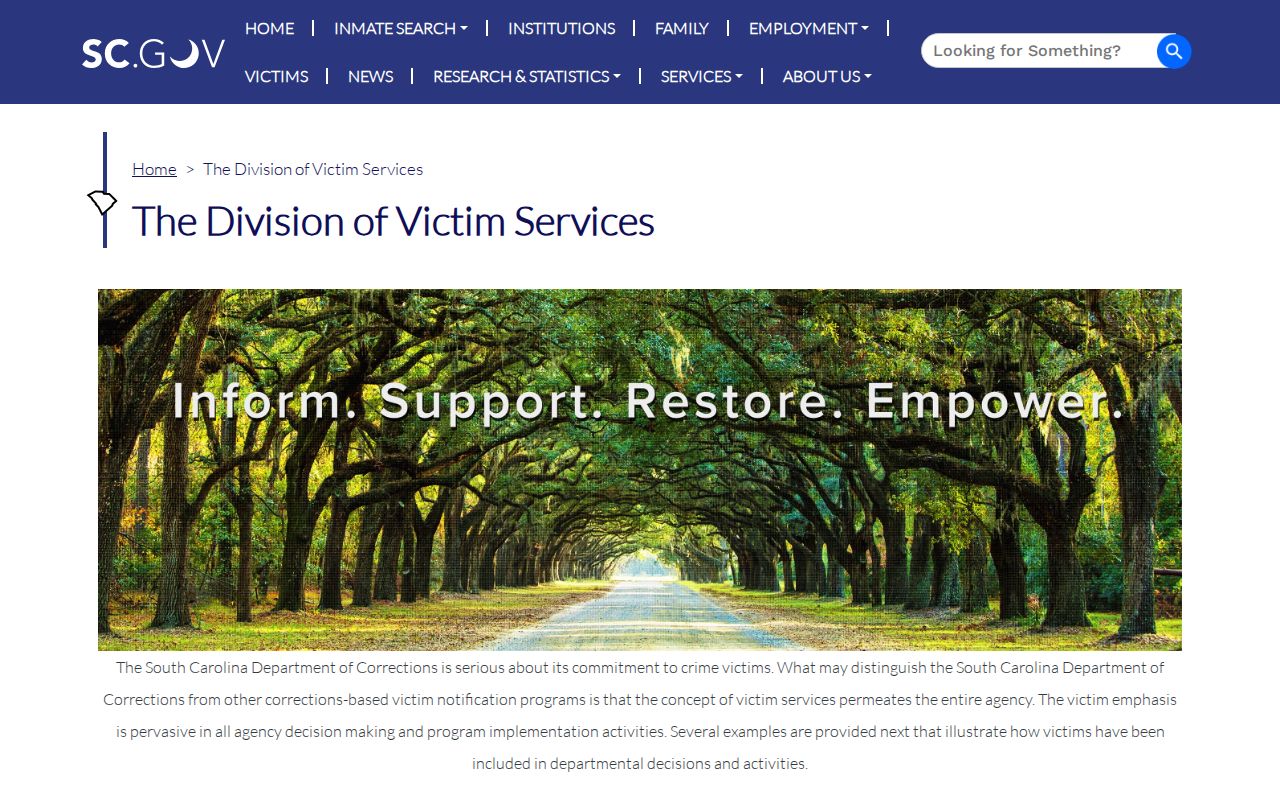
VINELink may also cover custody notices for participating facilities. Federal custody is separate. The Federal Bureau of Prisons inmate locator supplies that layer.
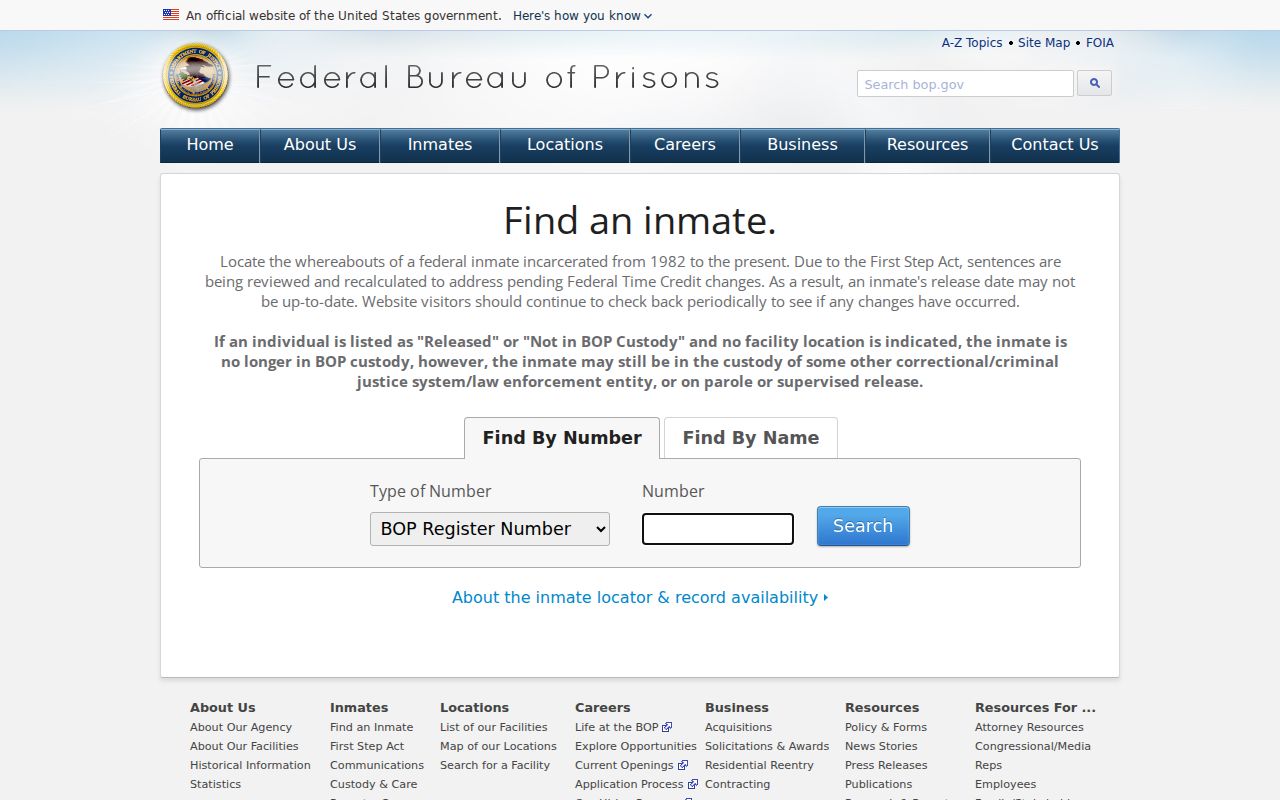
The practical chain is county roster, VINELink where covered, SCDC after state transfer, and BOP for federal custody.
Note: A person can leave a county roster after transfer while appearing in SCDC only after the state system updates.
Arrests vs Convictions in South Carolina
An arrest is an accusation and custody event. A conviction is a court judgment of guilt after a plea or verdict. South Carolina permits public dissemination of some unsealed arrest and non-conviction information, so CATCH must not be treated as conviction-only. Read the disposition for each charge. If none appears, contact the court rather than assuming guilt or an active prosecution.
| Arrest Record | Conviction Record | |
|---|---|---|
| Created by | Arresting agency and detention center | Court judgment, then reported to SLED |
| What it proves | A person was accused and taken into custody | Guilt was entered by plea or verdict |
| Public access | Agency, booking, CATCH, and court channels, subject to limits | Court file and CATCH when correctly reported |
| Can it clear | Eligible non-convictions may qualify for expungement | Relief is narrower and depends on the offense and statute |
Note: An arrest entry with no disposition is not proof of guilt; check the court that heard the charge.
Clearing Eligible South Carolina Arrest Records
A dismissal, nolle prosequi, or not-guilty result does not always clear every public display by itself. South Carolina uses specific expungement and Order for Destruction of Arrest Records procedures. A General Sessions matter begins with the solicitor in the circuit and county where the arrest arose. A qualifying Magistrate or Municipal matter begins with that court. Eligibility depends on the outcome, offense, prior history, waiting period, and statute.
SLED does not grant expungement. It implements a valid order. The agency says to allow four weeks after it receives the order, then verify the result with a new CATCH report. If the charge remains, the documented correction route uses a certified copy of the order, a recent CATCH report, and the materials SLED requests. A pardon is a separate remedy and does not erase the South Carolina arrest or court record.
When the state file shows the wrong person, preserve the report and contact SLED's AFIS or Public Dissemination challenge process. Fingerprints may separate similar names. A missing or wrong disposition calls for a certified disposition from the originating county court. The companion South Carolina criminal court cases resource explains how to locate that docket and official file.